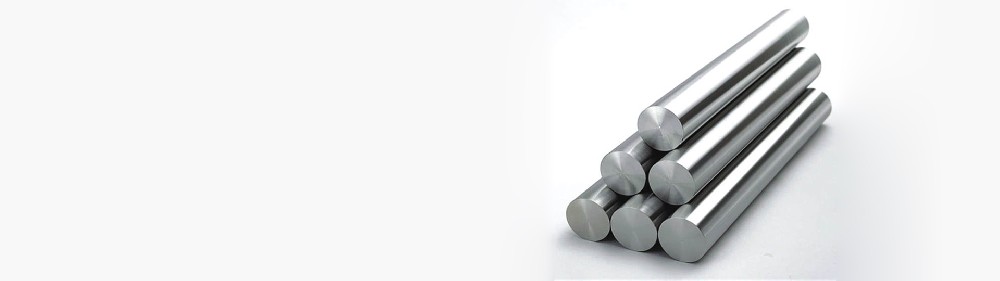
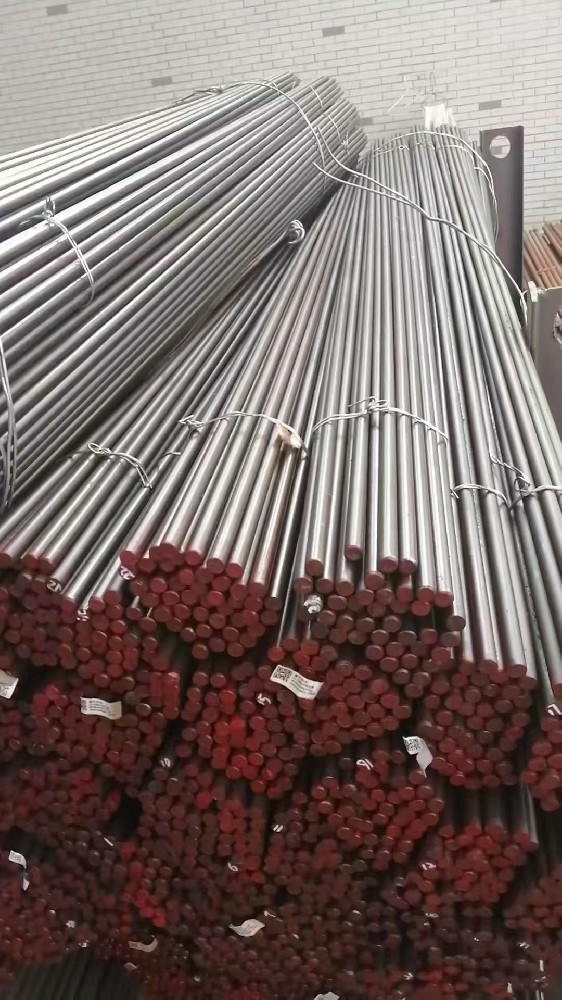
M42 Round Bar
M42 round bars are primarily used for manufacturing high-performance cutting tools such as drills, end mills, taps, hobs, and broaches. They are particularly suitable for machining difficult-to-cut materials (e.g., stainless steel, superalloys) and complex workpieces requiring high wear resistance and toughness. Known as the "king of high-speed steels," their main applications are in aerospace, automotive manufacturing, and mold industries, where they enhance cutting efficiency and tool life.
Core Features and Application Scenarios
High Cobalt Alloy (Co content): M42 high-speed steel contains approximately 8% cobalt, which significantly increases its red hardness. It maintains its hardness even at high temperatures (>600°C), making it ideal for high-speed cutting.
High Hardness and Wear Resistance: The high cobalt content and the formation of well-distributed tungsten and molybdenum carbides give M42 excellent wear resistance.
Good Toughness: Compared to other high-speed steels, M42 has better toughness, enabling it to withstand impact loads and resist chipping.
Specific Application Examples
Drilling: Various high-speed drills, especially for difficult-to-cut materials like stainless steel and titanium alloys.
Milling: High-speed end mills and form cutters.
Threading: High-precision taps and thread rolling dies.
Form Cutting Tools: Broaches and gear shaper cutters.
Molds/Dies: Stamping dies, trimming dies, etc., where high wear resistance and long life are required.
Summary
In short, M42 round bars are used to make extremely tough and high-performance cutting tools. They are especially suited for scenarios that require tools to be fast and durable (high-speed cutting, high wear resistance) and to process "hard bones" (difficult-to-cut materials). They are indispensable in high-end manufacturing.

 能为您服务是我们的荣幸