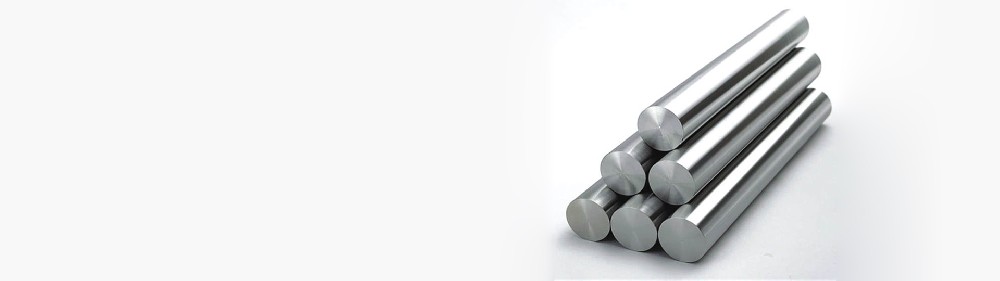
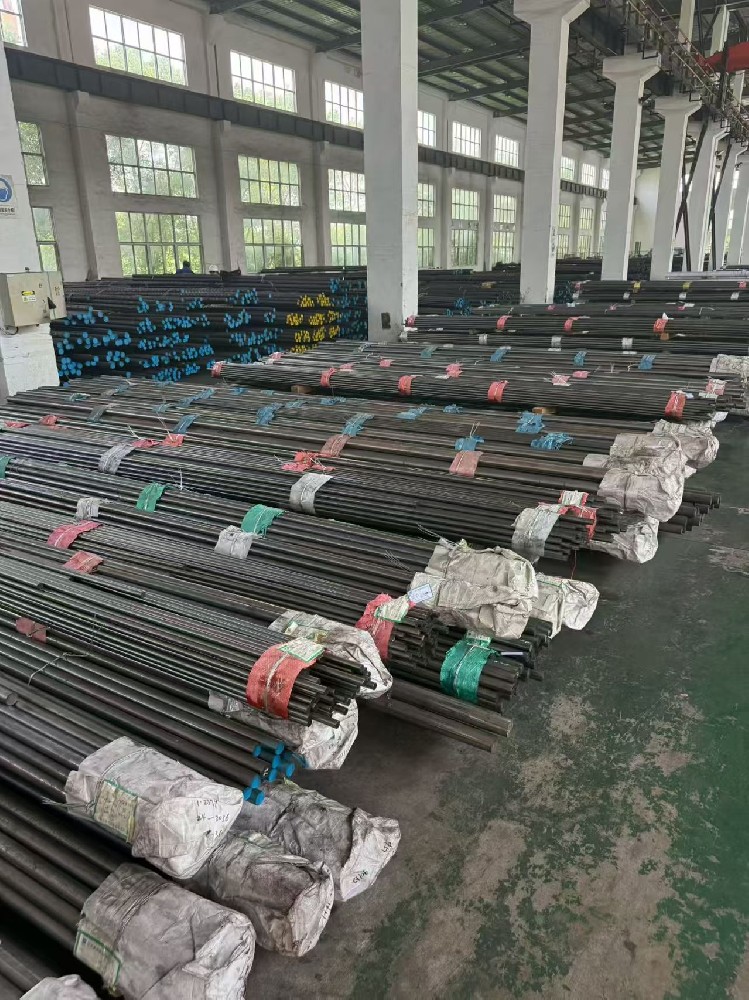
DC53 Round Bar
DC53 is a high-strength, high-toughness, general-purpose cold-work die steel developed by Daido Steel (Japan). It was specifically engineered to improve upon and replace the traditional SKD11 (D2) steel.
1. Core Characteristics
• High Hardness and Toughness: It overcomes the weaknesses of SKD11 regarding insufficient hardness and toughness after high-temperature tempering. It can achieve a tempered hardness of 62-64 HRC, with toughness approximately twice that of SKD11.
• Excellent Wear Resistance: The uniform distribution of fine carbides significantly improves resistance to chipping and cracking, offering a service life far exceeding that of D2 steel.
• Superior Machinability: Its machinability and grindability are approximately 20%–40% higher than those of SKD11/D2, effectively extending the lifespan of machining tools.
• Heat Treatment Stability: It exhibits minimal quenching distortion, and residual stress after high-temperature tempering is extremely low, making it ideal for Wire Electrical Discharge Machining (Wire EDM).
2. Heat Treatment Specifications
• Quenching: Typically performed at 1030–1050°C with air or oil cooling.
• Tempering:
◦ Low-Temperature Tempering (180–200°C): Used for achieving maximum strength.
◦ High-Temperature Tempering (520–530°C): Used to obtain maximum hardness (62-63 HRC) and significantly enhanced toughness; recommended for Wire EDM dies.
• Annealed Hardness: Approximately 210–255 HBW.
3. Typical Applications
DC53 plate is widely used in fields requiring extreme toughness and wear resistance:
• Stamping Dies: Precision blanking dies, cold forging dies, deep drawing dies, and thread rolling dies.
• Cutting Tools: Slitting knives, rollers, and various types of punches.
• Specialized Molds: High-hardness plastic molds, complex precision molds, and forming tools for difficult-to-machine materials.

 能为您服务是我们的荣幸