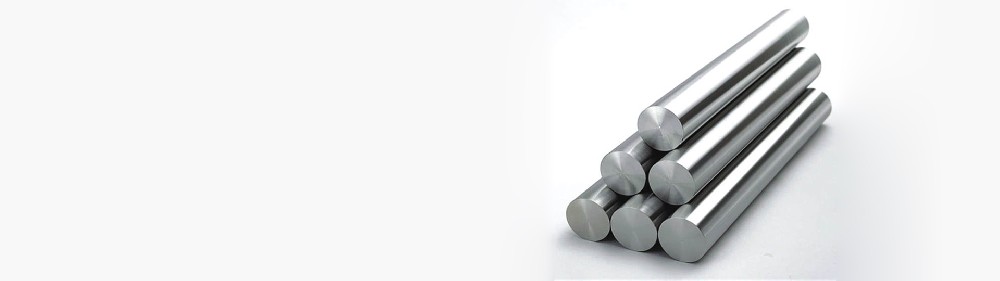
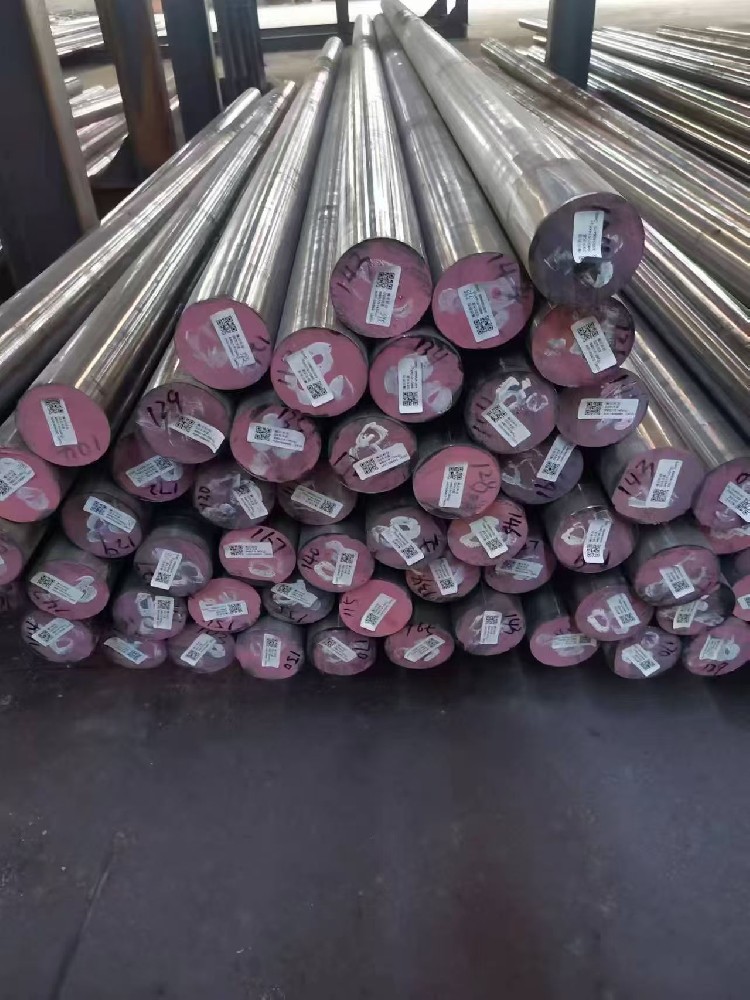
H13 Round Bar
H13 Tool Steel Plate is a premium hot-work die steel characterized by its exceptional heat resistance, high strength, superior toughness, and excellent wear resistance. It is primarily used to manufacture molds that must withstand high temperatures and heavy impact loads, such as die-casting dies, forging dies, and extrusion dies. As a representative steel grade under the American standard, its Chinese equivalent is 4Cr5MoSiV1. It features high hardenability and maintains its hardness at elevated temperatures, making it a versatile material in industrial applications.
Core Characteristics
• Type: Hot-work tool steel.
• Main Elements: Contains Carbon (C), Chromium (Cr), Molybdenum (Mo), Vanadium (V), and Silicon (Si).
• Performance Advantages:
◦ Heat Resistance: Maintains high hardness at elevated temperatures with strong resistance to softening (working temperature up to approximately 540°C).
◦ Toughness and Strength: Excellent comprehensive mechanical properties, high hardenability, and superior resistance to thermal cracking.
◦ Wear Resistance: Moderate wear resistance, which can be further enhanced by surface hardening treatments.
◦ Heat Treatment: Minimal deformation during heat treatment; quenching hardness can reach approximately 55 HRC.
• Equivalent Grades: Internationally equivalent to SKD61 (Japan) or 1.2344(Germany).
Primary Applications
• Die-Casting Dies: For aluminum, copper, and their alloys.
• Forging Dies: Hot forging dies and precision forging dies subjected to heavy impact loads.
• Extrusion Dies: Hot extrusion tooling.
• Aerospace Components: Used for critical structural parts in the aerospace industry.
Technical Standards
Complies with ASTM A681 (H13) and the Chinese National Standard GB/T 1299-2014.

 能为您服务是我们的荣幸